
 By
By 
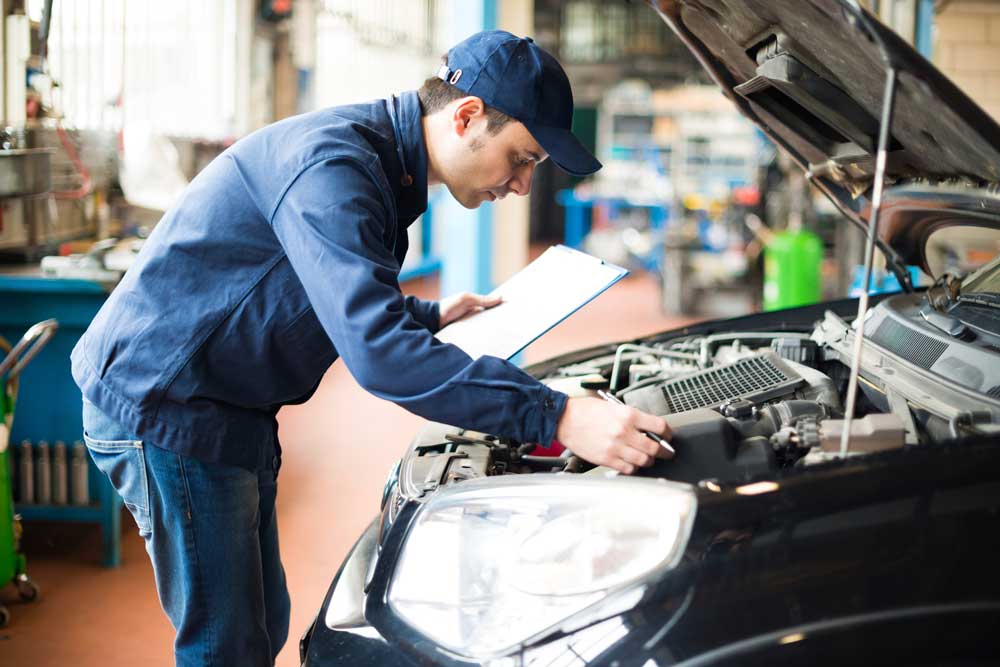
A proper car maintenance checklist helps vehicle owners prevent breakdowns, improve fuel efficiency, and extend the lifespan of their automobiles. Regular inspection of key components ensures your vehicle stays safe, reliable, and cost-effective to operate throughout the year.
This article outlines essential maintenance steps every driver should follow to keep their vehicle in optimal condition.
What Is a Car Maintenance Checklist?
A car maintenance checklist is a structured guide covering routine inspections, servicing tasks, and preventive care procedures required to keep a vehicle operating efficiently.
Following a checklist ensures:
- Early detection of mechanical issues
- Improved driving safety
- Better engine performance
- Reduced unexpected repair costs
- Longer vehicle lifespan
Maintaining consistency with these checks significantly improves reliability on the road.
Daily Maintenance Checks Every Driver Should Perform
Simple daily inspections take only a few minutes but help avoid major issues later.
Important checks include:
- Inspect tire condition and pressure
- Check fuel level
- Monitor dashboard warning lights
- Ensure headlights and brake lights function properly
- Look for fluid leaks beneath the vehicle
These quick steps help identify problems before they escalate.
Weekly Vehicle Maintenance Tasks
Weekly checks help maintain overall driving performance and safety.
Recommended inspections:
- Check engine oil level
- Inspect coolant level
- Verify windshield washer fluid
- Test battery condition visually
- Clean windshield and mirrors for visibility
Regular weekly checks help maintain smooth driving conditions.
Monthly Maintenance Checklist for Vehicles
Monthly inspections provide deeper insights into vehicle condition.
Tasks to include:
- Inspect tire tread depth
- Check brake fluid levels
- Examine air filter condition
- Inspect belts and hoses
- Verify steering responsiveness
Routine monthly care supports long-term mechanical stability.
Seasonal Maintenance Requirements
Different seasons affect vehicle components in unique ways. Preparing your car accordingly improves performance and safety.
Summer Maintenance
Focus on:
- Cooling system inspection
- Air conditioning performance
- Tire pressure monitoring
- Engine overheating prevention
Monsoon Maintenance
Important steps:
- Brake inspection
- Wiper blade replacement
- Electrical system protection
- Tire traction evaluation
Winter Maintenance
Essential checks:
- Battery performance testing
- Antifreeze level inspection
- Tire grip monitoring
- Heater functionality testing
Seasonal maintenance reduces weather-related vehicle risks.
Engine Care Essentials for Long-Term Performance
The engine is the heart of any vehicle and requires consistent monitoring.
Engine care includes:
- Timely oil replacement
- Spark plug inspection
- Air filter cleaning
- Fuel system evaluation
Proper engine maintenance ensures smooth acceleration and better mileage.
Tire Maintenance Best Practices
Tires directly impact vehicle safety and driving comfort.
Follow these practices:
- Maintain recommended tire pressure
- Rotate tires regularly
- Check alignment periodically
- Inspect tread wear patterns
Well-maintained tires improve handling and reduce fuel consumption.
Battery Maintenance Tips for Reliable Starting Power
Vehicle batteries often fail unexpectedly without warning signs.
Preventive battery care includes:
- Cleaning battery terminals
- Checking voltage levels
- Ensuring secure mounting
- Monitoring charging performance
Routine inspection helps avoid inconvenient starting failures.
Brake System Maintenance for Safer Driving
A properly functioning brake system ensures driver and passenger safety.
Maintenance steps include:
- Checking brake pad thickness
- Monitoring brake fluid levels
- Listening for unusual noises
- Inspecting brake discs regularly
Ignoring brake issues can lead to dangerous driving conditions.
Benefits of Following a Structured Maintenance Checklist
Maintaining a consistent checklist provides multiple advantages.
Key benefits:
- Increased vehicle lifespan
- Improved road safety
- Enhanced fuel efficiency
- Reduced maintenance costs
- Better resale value
Preventive maintenance always delivers long-term savings.
Common Mistakes to Avoid During Car Maintenance
Avoiding common errors ensures better maintenance outcomes.
Frequent mistakes include:
- Ignoring warning lights
- Skipping scheduled servicing
- Using low-quality spare parts
- Overlooking tire alignment issues
- Delaying fluid replacement
Correcting these habits improves vehicle reliability.
FAQ
1. How long does a routine maintenance inspection usually take?
A basic inspection typically takes 30–60 minutes depending on vehicle condition and service depth.
2. Is it necessary to maintain a written maintenance record?
Yes. Keeping records helps track service history and improves resale value.
3. Can driving habits affect maintenance frequency?
Aggressive driving increases wear on brakes, tires, and engine components, requiring more frequent servicing.
4. Does vehicle age change maintenance priorities?
Older vehicles usually need more frequent inspections of suspension, battery, and engine systems.
5. Should maintenance schedules differ for diesel and petrol vehicles?
Yes. Diesel engines often require additional fuel system and filter inspections compared to petrol vehicles.
6. Is professional inspection necessary if the vehicle feels fine?
Yes. Hidden issues may not show immediate symptoms but can worsen without early detection.
7. How does regular maintenance affect vehicle resale value?
A well-maintained vehicle with service records typically attracts higher resale prices and buyer confidence.







Comments