
 By
By 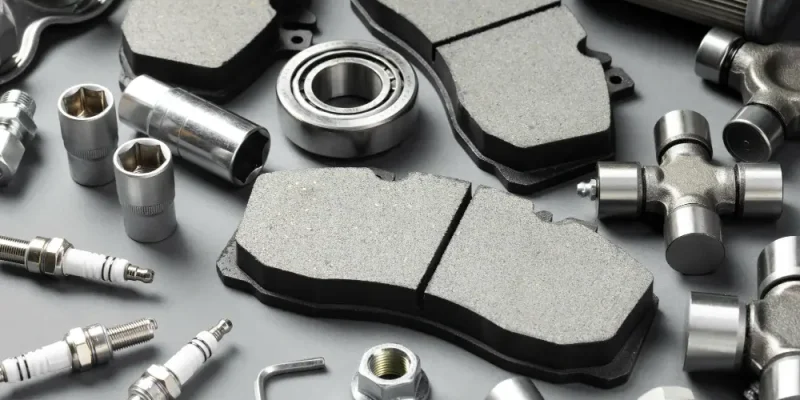
Car spare parts play a crucial role in maintaining vehicle reliability, safety, and performance over time. Whether replacing worn components or upgrading systems for better efficiency, choosing the right spare parts ensures smoother driving and lower long-term maintenance costs.
This guide explains the types of spare parts available, how to choose them wisely, and practical tips every vehicle owner should know.
What Are Car Spare Parts?
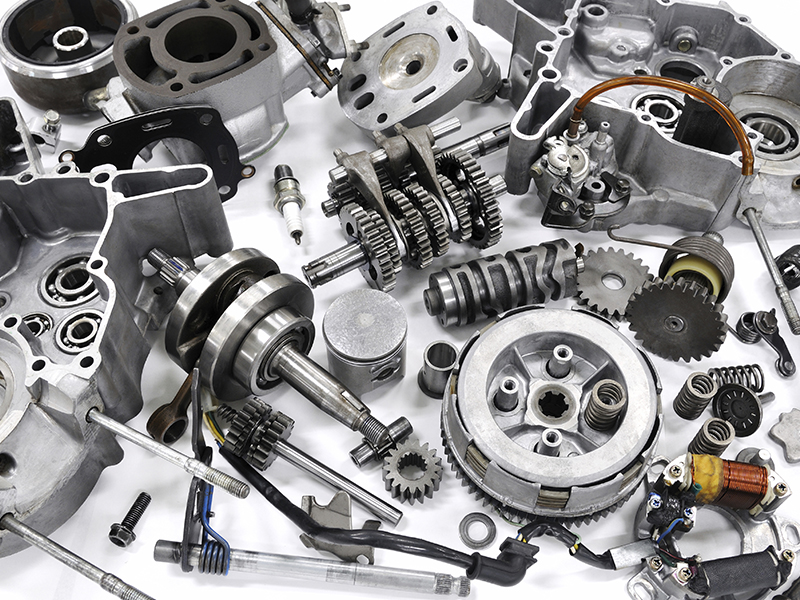
Car spare parts are replacement components used when original vehicle parts wear out, fail, or need improvement. These parts help restore the vehicle’s original performance and ensure safe operation on the road.
They are typically categorized into:
- Replacement parts
- Maintenance parts
- Performance upgrade parts
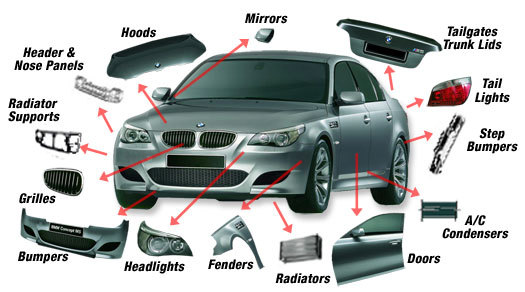
- Body replacement parts
Understanding these categories makes it easier to purchase the correct components.
Types of Car Spare Parts Available in the Market
Vehicle owners can choose from several spare part options depending on budget and performance expectations.
OEM Spare Parts
OEM (Original Equipment Manufacturer) parts are produced by the same manufacturer that made the vehicle’s original components.
Benefits include:
- Perfect compatibility
- Reliable performance
- Manufacturer-backed quality standards
- Longer service life
They are generally more expensive but offer dependable results.
Aftermarket Spare Parts
Aftermarket parts are produced by third-party manufacturers.
Advantages include:
- Affordable pricing
- Wide availability
- Multiple brand choices
- Performance upgrade options
However, selecting reputable brands is essential for quality assurance.
Refurbished Spare Parts
Refurbished parts are restored used components that function like new ones.
Suitable for:
- Budget-conscious repairs
- Older vehicle models
- Non-critical replacements
These parts should be purchased only from trusted suppliers.
Most Commonly Replaced Car Spare Parts
Some vehicle components naturally wear out with time and require periodic replacement.
Frequently replaced spare parts include:
- Brake pads
- Engine oil filters
- Air filters
- Spark plugs
- Clutch plates
- Batteries
- Wiper blades
- Headlights
Replacing these parts on time improves vehicle safety and fuel efficiency.
How to Identify When Spare Parts Need Replacement
Recognizing early warning signs helps prevent major repairs later.
Look for the following indicators:
- Unusual engine noise
- Reduced fuel efficiency
- Hard braking response
- Steering vibration
- Warning lights on dashboard
- Difficulty starting the vehicle
Prompt replacement ensures smoother vehicle operation.
Importance of Using Genuine Spare Parts
Using authentic spare parts protects both the vehicle and its occupants.
Key advantages include:
- Improved reliability
- Better performance consistency
- Enhanced safety standards
- Longer component lifespan
- Reduced risk of repeated repairs
Low-quality alternatives may initially appear cost-effective but often increase maintenance expenses over time.
Tips for Buying the Right Car Spare Parts
Choosing the correct spare parts requires careful evaluation.
Follow these practical guidelines:
Verify compatibility
Always match parts with vehicle model, engine type, and manufacturing year.
Check warranty coverage
Warranty-backed parts provide peace of mind and protection against defects.
Compare brand reputation
Select manufacturers known for reliability and durability.
Inspect packaging quality
Original spare parts typically include secure packaging and identification labels.
Consult experienced mechanics
Professional advice helps avoid incorrect purchases.
Where to Buy Reliable Spare Parts
Spare parts can be purchased through multiple trusted channels.
Popular options include:
- Authorized service centers
- Certified spare part retailers
- Automotive parts distributors
- Trusted online auto marketplaces
Always ensure authenticity before purchase.
Cost Factors That Influence Spare Part Prices
Several elements determine spare part pricing.
Important factors include:
- Brand reputation
- Material quality
- Import duties
- Availability in the market
- Vehicle segment and model
Luxury vehicle spare parts usually cost more than standard passenger car components.
How Regular Spare Part Replacement Improves Vehicle Performance
Timely replacement contributes significantly to overall vehicle efficiency.
Benefits include:
- Smoother engine operation
- Better fuel economy
- Reduced emission levels
- Improved driving comfort
- Enhanced road safety
Preventive replacement always costs less than emergency repairs.
Storage Tips for Spare Parts at Home or Workshop
Proper storage extends spare part usability.
Follow these storage practices:
- Keep parts in dry environments
- Avoid direct sunlight exposure
- Use original packaging when possible
- Label stored components clearly
- Protect electrical parts from moisture
Correct storage prevents premature damage.
FAQ
1. How can I confirm whether a spare part is genuine?
Check the manufacturer label, serial number, packaging quality, and purchase only from authorized dealers.
2. Are expensive spare parts always better?
Not necessarily. Quality and compatibility matter more than price alone.
3. Can spare parts affect vehicle fuel efficiency?
Yes. Components like air filters, spark plugs, and fuel injectors directly influence fuel consumption.
4. Is it safe to install spare parts without professional help?
Simple replacements like wiper blades are manageable, but critical components should always be installed by professionals.
5. How long do car batteries usually last?
Most car batteries last between three to five years depending on usage conditions and climate.
6. Should spare parts be replaced before long-distance travel?
Yes. Inspecting brakes, tires, filters, and fluids before travel reduces breakdown risks.
7. Can using low-quality spare parts damage other vehicle components?
Yes. Poor-quality parts may reduce system efficiency and lead to additional mechanical failures.





Comments