
 By
By 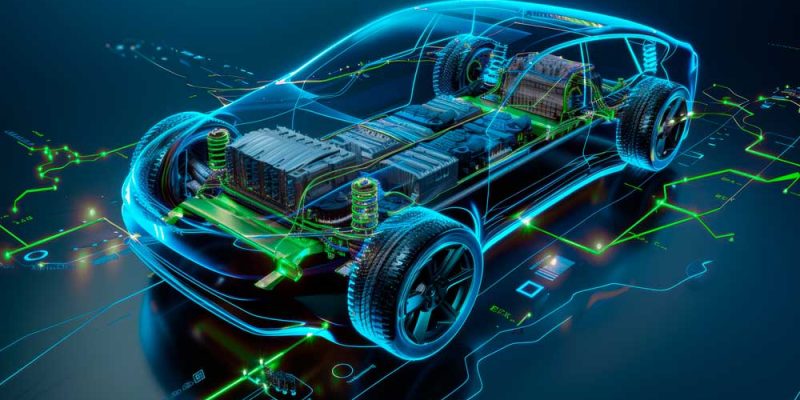
The automotive industry is undergoing one of the most significant transformations in its history. Rapid advances in electric mobility, autonomous technology, connectivity, and sustainability are redefining how vehicles are designed, manufactured, and used. Today’s vehicles are no longer just machines—they are becoming intelligent mobility platforms.
This article explores the major trends shaping the modern automotive sector and what drivers, businesses, and policymakers should expect in the coming years.
The Shift Toward Electric Vehicles (EVs)
Electric vehicles are at the center of the automotive revolution. Governments worldwide are encouraging cleaner transportation, and manufacturers are investing heavily in electrification.
Why EV adoption is accelerating
Several factors are contributing to the rapid rise of electric mobility:
- Increasing fuel prices
- Government incentives and emission regulations
- Expansion of charging infrastructure
- Lower long-term maintenance costs
- Rising environmental awareness among consumers
Unlike traditional internal combustion engine vehicles, EVs produce zero tailpipe emissions, making them a key solution for reducing urban pollution.
Benefits of electric vehicles
Electric vehicles offer practical advantages beyond sustainability:
- Reduced running costs
- Smooth and quiet driving experience
- Instant torque delivery
- Fewer moving parts and lower maintenance
- Eligibility for policy incentives in many regions
As battery technology improves, driving range and charging speed continue to increase, making EVs more practical for everyday use.
Autonomous Driving Technology
Self-driving vehicles are gradually moving from experimental prototypes to real-world deployment. Although fully autonomous vehicles are still evolving, advanced driver-assistance systems (ADAS) are already enhancing safety.
Key features already available today
Modern vehicles commonly include:
- Adaptive cruise control
- Lane-keeping assistance
- Automatic emergency braking
- Blind-spot monitoring
- Parking assistance systems
These technologies reduce driver fatigue and help prevent accidents caused by human error.
Future possibilities
In the near future, autonomous vehicles may:
- Improve road safety significantly
- Reduce traffic congestion
- Enable mobility access for elderly and disabled users
- Transform logistics and delivery systems
Autonomous technology is expected to reshape urban transportation ecosystems.
Connected Cars and Smart Mobility
Connectivity is turning vehicles into digital ecosystems. Today’s cars can communicate with drivers, infrastructure, and other vehicles.
Features of connected vehicles
Connected automotive systems allow:
- Real-time navigation updates
- Remote vehicle monitoring via mobile apps
- Predictive maintenance alerts
- Over-the-air software updates
- Emergency response connectivity
These capabilities improve convenience, safety, and vehicle performance.
Integration with smart cities
Connected vehicles play a major role in smart transportation networks by:
- Optimizing traffic flow
- Reducing congestion
- Improving route planning
- Supporting intelligent infrastructure communication
Smart mobility solutions will continue expanding as urban environments evolve.
Sustainability in Automotive Manufacturing
Automotive sustainability extends beyond electric vehicles. Manufacturers are also improving production processes to reduce environmental impact.
Sustainable industry practices include
- Use of recycled materials in vehicle interiors
- Energy-efficient manufacturing plants
- Reduced water consumption
- Lightweight vehicle design for better efficiency
- Circular economy recycling strategies
These initiatives help reduce the overall carbon footprint of the automotive lifecycle.
The Rise of Software-Defined Vehicles
Vehicles are increasingly powered by software rather than mechanical complexity alone.
How software is changing vehicles
Modern cars now support:
- Remote diagnostics
- Performance updates through software patches
- Digital cockpit customization
- Voice-command integration
- App-based vehicle controls
Software-defined vehicles enable continuous improvements even after purchase.
Alternative Fuels and Hybrid Technologies
While electric vehicles are growing rapidly, hybrid and alternative fuel vehicles still play an important transitional role.
Common alternatives include
- Hybrid electric vehicles (HEVs)
- Plug-in hybrid vehicles (PHEVs)
- Hydrogen fuel-cell vehicles
- Biofuel-powered engines
These technologies support gradual movement toward full electrification.
Changing Consumer Expectations
Modern drivers expect more than transportation. They look for comfort, connectivity, and intelligent assistance.
Key priorities for today’s buyers
Consumers increasingly value:
- Safety technologies
- Fuel efficiency
- Smart infotainment systems
- Environmental sustainability
- Digital convenience features
Automakers are adapting quickly to meet these expectations.
Challenges Facing the Automotive Industry
Despite major progress, several challenges remain:
- High battery production costs
- Charging infrastructure limitations
- Semiconductor shortages
- Cybersecurity risks in connected vehicles
- Regulatory complexity across regions
Addressing these challenges will be essential for long-term industry growth.
Conclusion
The automotive industry is entering a new era driven by electrification, automation, connectivity, and sustainability. Vehicles are becoming smarter, cleaner, and more efficient than ever before. As innovation accelerates, mobility will continue evolving into a safer and more environmentally responsible experience for everyone.
Frequently Asked Questions (FAQs)
1. What is the biggest trend shaping the automotive industry today?
Electrification is currently the most influential trend, as manufacturers shift toward electric vehicles to reduce emissions and comply with environmental regulations.
2. Are electric vehicles cheaper to maintain than traditional cars?
Yes. Electric vehicles generally have fewer moving parts, which reduces servicing costs over time.
3. How safe are autonomous driving features?
Advanced driver-assistance systems improve safety by supporting drivers during critical situations, though full autonomy is still under development.
4. What role does connectivity play in modern vehicles?
Connectivity enables features such as real-time navigation, remote diagnostics, software updates, and emergency assistance services.
5. Will hybrid vehicles disappear in the future?
Hybrid vehicles are expected to remain important during the transition phase toward fully electric mobility.
6. How do software updates improve vehicle performance?
Over-the-air updates can enhance efficiency, add new features, improve security, and optimize driving systems without requiring dealership visits.
7. Why are automakers focusing on sustainability beyond electric engines?
Manufacturers are reducing environmental impact across the entire production lifecycle, including materials sourcing, factory operations, and recycling strategies.










Comments