
 By
By 
Regular auto service is essential for maintaining vehicle performance, safety, and longevity. Whether you drive daily for commuting or occasionally for errands, timely servicing helps prevent unexpected breakdowns and costly repairs. Understanding what auto service includes—and why it matters—empowers vehicle owners to make informed maintenance decisions.
This guide explains the importance of auto service, types of maintenance procedures, service intervals, benefits, warning signs, and practical tips for choosing a reliable service provider.
What Is Auto Service?
Auto service refers to a series of inspection, maintenance, and repair procedures performed to ensure a vehicle operates efficiently and safely. These procedures range from routine oil changes to comprehensive mechanical diagnostics.
Common service components include:
- Engine oil replacement
- Brake inspection and adjustment
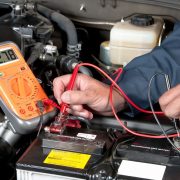
- Battery performance checks
- Tire rotation and alignment
- Air filter cleaning or replacement
- Fluid level inspection
- Suspension system evaluation
Routine servicing keeps your vehicle functioning smoothly while minimizing the risk of unexpected mechanical failures.
Why Regular Auto Service Is Important
Consistent vehicle servicing improves both short-term performance and long-term reliability.
Key benefits include:
- Improved fuel efficiency
- Enhanced driving safety
- Extended vehicle lifespan
- Reduced repair expenses
- Better resale value
- Lower emissions and environmental impact
Ignoring scheduled maintenance often leads to performance decline and expensive emergency repairs later.
Types of Auto Service
Vehicle maintenance typically falls into three primary service categories.
1. Basic Service
Basic service focuses on essential checks required at frequent intervals.
Includes:
- Engine oil change
- Oil filter replacement
- Tire pressure inspection
- Brake inspection
- Battery testing
- Fluid top-ups
Recommended interval: every 5,000–10,000 km, depending on driving conditions.
2. Interim Service
Interim service adds additional inspection layers beyond routine maintenance.
Includes:
- Air filter replacement
- Coolant level check
- Suspension inspection
- Steering system evaluation
- Exhaust system check
Recommended interval: every 10,000–20,000 km
3. Full Service
A full service is a comprehensive vehicle inspection covering all major components.
Includes:
- Engine diagnostics
- Brake system servicing
- Spark plug inspection
- Transmission fluid check
- Wheel alignment testing
- Electrical system evaluation
- Fuel system inspection
Recommended interval: once annually or after 20,000–30,000 km
Signs Your Vehicle Needs Immediate Service
Certain warning signals indicate that servicing should not be delayed.
Watch for:
- Dashboard warning lights
- Unusual engine noises
- Reduced fuel efficiency
- Difficulty starting the vehicle
- Vibrations while driving
- Brake squealing sounds
- Smoke from the exhaust
Prompt attention to these symptoms prevents serious mechanical damage.
Essential Components Checked During Auto Service
Professional service centers inspect multiple vehicle systems during maintenance visits.
Engine System
Technicians check:
- Oil quality
- Spark plugs
- Air filters
- Cooling system
A healthy engine ensures smooth vehicle performance.
Brake System
Brake servicing includes:
- Brake pad thickness evaluation
- Fluid inspection
- Disc condition testing
Reliable brakes are critical for road safety.
Suspension and Steering
Inspection ensures:
- Comfortable driving
- Stable vehicle control
- Reduced tire wear
Faulty suspension often causes uneven handling.
Electrical Components
Technicians verify:
- Battery health
- Lighting systems
- Wiring connections
- Sensors and diagnostics
Modern vehicles rely heavily on electronic systems for performance optimization.
How Often Should You Service Your Vehicle?
Service frequency depends on several factors:
- Manufacturer recommendations
- Driving habits
- Road conditions
- Climate exposure
- Vehicle age
As a general rule:
- Basic service: every 6 months
- Interim service: every 12 months
- Full service: annually or per mileage schedule
Always follow your vehicle’s service manual for accurate timing.
Benefits of Choosing Professional Auto Service Centers
Professional service providers deliver accurate diagnostics and reliable repairs using specialized equipment.
Advantages include:
- Certified technicians
- Genuine spare parts
- Advanced diagnostic tools
- Warranty protection support
- Transparent service reporting
Quality servicing reduces long-term ownership costs significantly.
Tips for Selecting a Reliable Auto Service Provider
Choosing the right service center ensures consistent vehicle performance and safety.
Consider the following:
- Technician experience and certification
- Availability of diagnostic tools
- Customer reviews and reputation
- Transparent pricing structure
- Use of genuine parts
- Service warranty options
A trustworthy provider builds confidence and prevents recurring maintenance issues.
How Regular Auto Service Saves Money Over Time
Preventive maintenance reduces major repair expenses by identifying issues early.
Financial benefits include:
- Avoiding engine failure repairs
- Preventing brake system replacement
- Improving fuel efficiency
- Extending tire lifespan
- Protecting transmission components
Routine servicing is always more economical than emergency repairs.
FAQ
1. What happens if I skip scheduled auto service?
Skipping service can lead to engine damage, reduced fuel efficiency, safety risks, and expensive repairs over time.
2. Is auto service necessary for new vehicles?
Yes. Even new vehicles require scheduled servicing to maintain warranty validity and ensure proper performance.
3. Can frequent short trips affect service intervals?
Yes. Short trips increase engine wear because the engine may not reach optimal operating temperature regularly.
4. Does auto service improve fuel mileage?
Routine servicing improves engine efficiency, which directly enhances fuel economy.
5. Are genuine spare parts important during servicing?
Genuine parts ensure compatibility, durability, and manufacturer-approved performance standards.
6. Should seasonal changes affect my service routine?
Yes. Extreme temperatures require checks on coolant, battery condition, and tire pressure adjustments.
7. Can I perform basic auto service tasks myself?
Some tasks like checking tire pressure, washer fluid, and battery terminals are manageable at home, but professional servicing remains essential for deeper inspections.











Comments