
 By
By 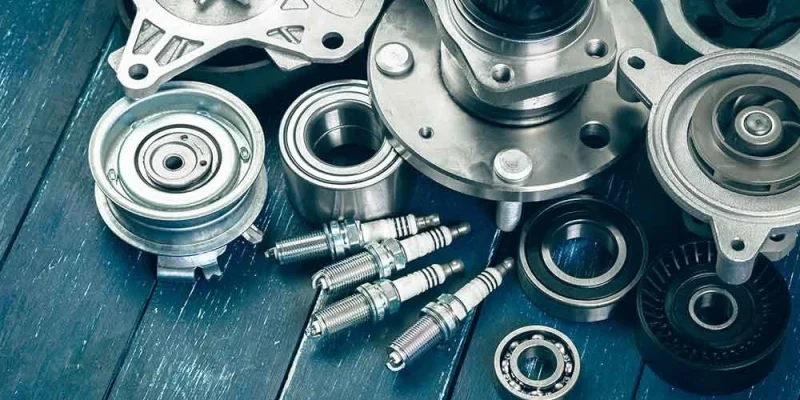
Auto parts are the backbone of every vehicle, working together to ensure safety, performance, efficiency, and comfort. Whether you drive daily for work, manage a fleet, or simply want to understand how your car operates better, knowing the fundamentals of auto parts helps you make smarter maintenance and replacement decisions.
This guide explains the most important categories of auto parts, their functions, maintenance tips, and how to choose reliable replacements.
What Are Auto Parts?
Auto parts are individual mechanical or electrical components that collectively enable a vehicle to operate properly. These parts range from essential safety systems like brakes to comfort-focused features such as air conditioning units.
They are broadly divided into:
- Mechanical components
- Electrical components
- Body components
- Consumables and maintenance parts
Understanding these categories helps drivers identify problems faster and maintain vehicles efficiently.
Engine Components: The Heart of Your Vehicle
The engine converts fuel into motion, making it the most critical part of any automobile.
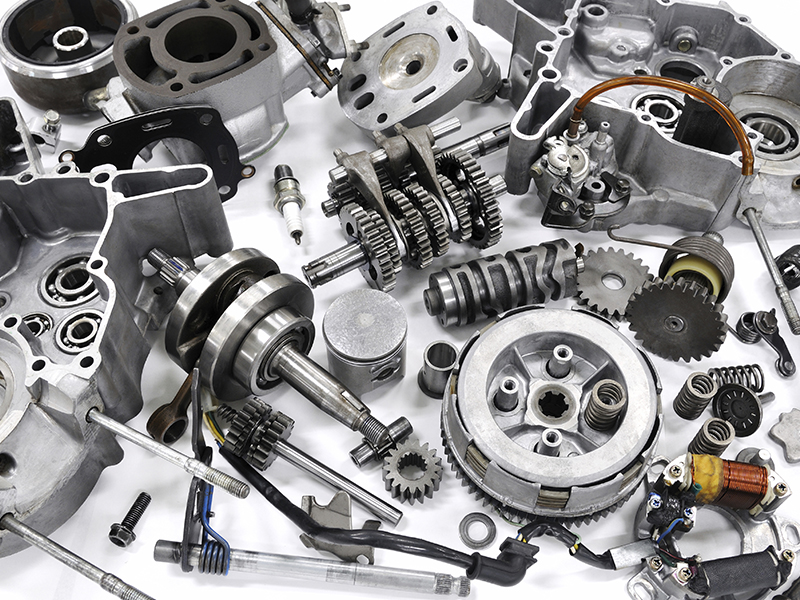
Key engine-related parts include:
- Pistons – Compress fuel-air mixture for combustion
- Crankshaft – Converts combustion force into rotational motion
- Cylinder head – Houses valves and spark plugs
- Timing belt/chain – Synchronizes engine movement
- Fuel injectors – Deliver precise fuel quantities
Regular servicing of engine components improves:
- Fuel efficiency
- Vehicle lifespan
- Performance consistency
Ignoring engine maintenance often leads to costly repairs later.
Transmission System: Power Transfer Control
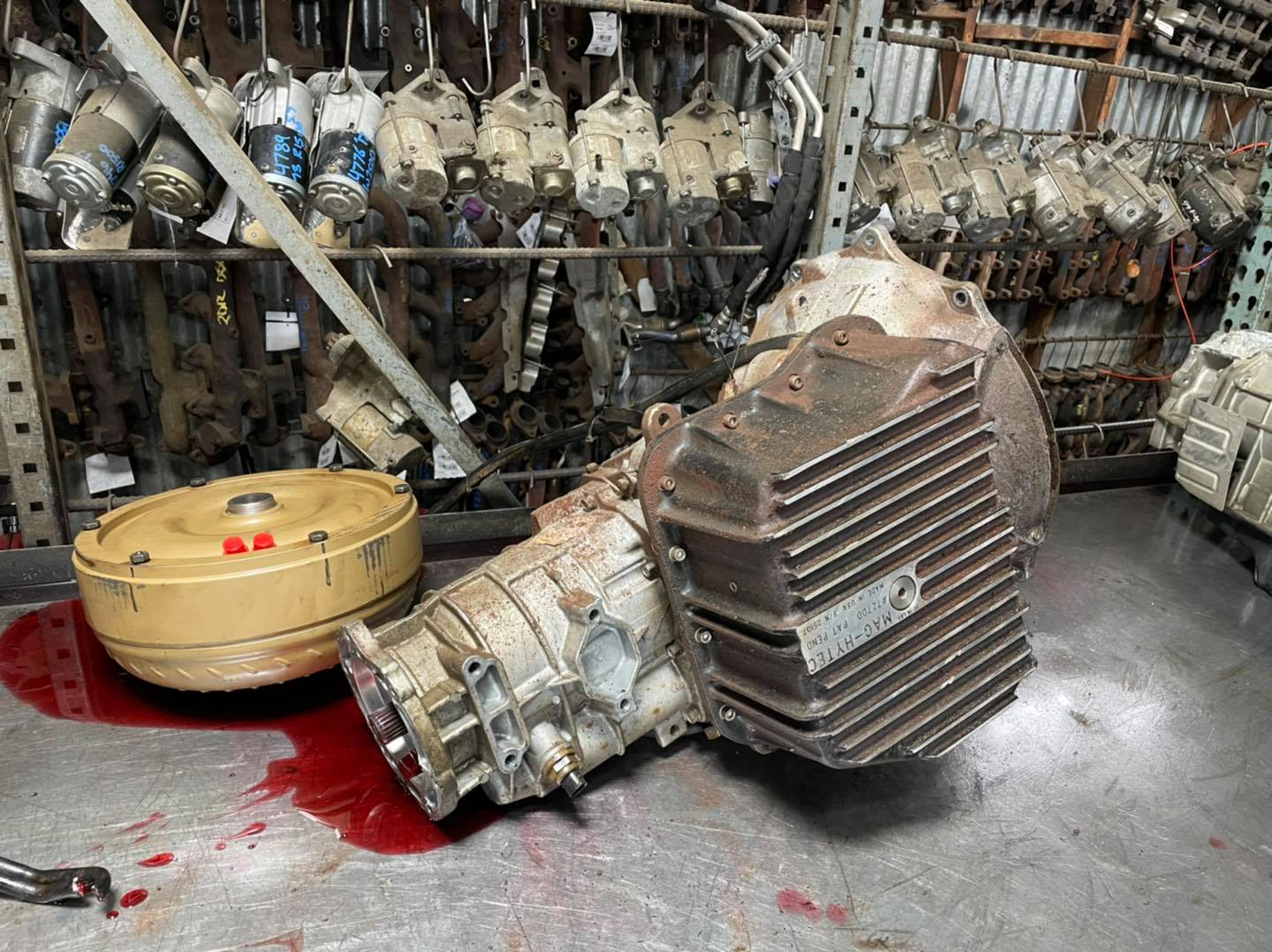
The transmission transfers engine power to the wheels while adjusting speed and torque.
Major transmission components include:
- Gearbox
- Clutch assembly (manual vehicles)
- Torque converter (automatic vehicles)
- Drive shafts
A healthy transmission system ensures smooth acceleration and comfortable driving experiences.
Warning signs of transmission issues:
- Delayed gear shifting
- Grinding noises
- Fluid leaks
- Burning smell
Early diagnosis prevents serious mechanical damage.
Brake System: Safety First
The braking system is one of the most important safety mechanisms in any vehicle.
Essential brake components include:
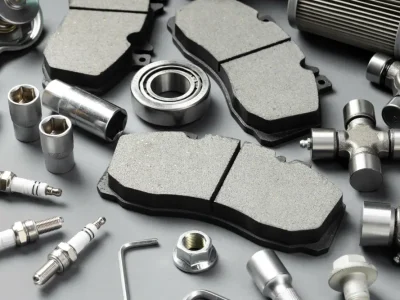
- Brake pads
- Brake discs (rotors)
- Brake calipers
- Brake fluid
- Master cylinder
Drivers should replace brake pads periodically because worn pads increase stopping distance and reduce safety.
Common indicators of brake wear:
- Squealing noise
- Vibrations while braking
- Reduced braking response
Timely replacement keeps passengers and drivers safe.
Suspension and Steering Components
Suspension and steering systems improve vehicle stability, comfort, and handling performance.
Core suspension parts include:
- Shock absorbers
- Struts
- Control arms
- Ball joints
- Coil springs
Steering system parts include:
- Steering rack
- Tie rods
- Power steering pump
Together, they help maintain road grip and directional control on uneven surfaces.
Electrical System Components
Modern vehicles rely heavily on electrical systems for both operation and convenience.
Key electrical components include:
- Battery
- Alternator
- Starter motor
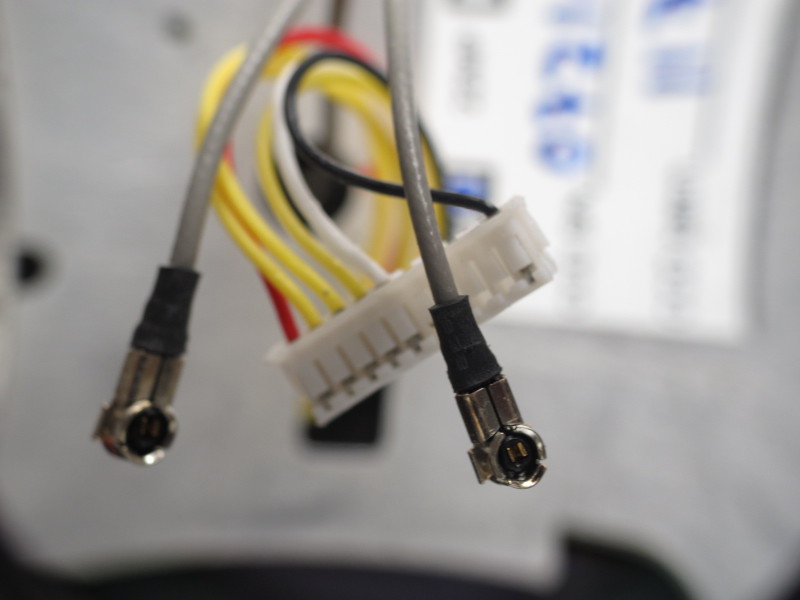
- Wiring harness
- Sensors and control modules
A strong electrical system ensures reliable ignition, lighting, infotainment, and safety assistance features.
If electrical parts malfunction, drivers may experience:
- Starting trouble
- Dim headlights
- Dashboard warning signals
Routine battery inspection prevents unexpected breakdowns.
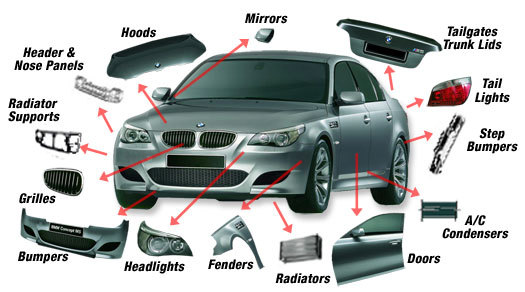
Body and Exterior Components
Body parts protect internal systems and improve the vehicle’s appearance and aerodynamics.
Important exterior components include:
- Bumpers
- Doors
- Fenders
- Hood
- Windshield
- Mirrors
- Headlights and taillights
Maintaining these components improves both safety and resale value.
Consumable Auto Parts That Require Regular Replacement
Some auto parts naturally wear out over time and require periodic replacement.
These include:
- Engine oil
- Air filters
- Oil filters
- Brake pads
- Spark plugs
- Coolant
- Wiper blades
Replacing consumables at recommended intervals keeps the vehicle running efficiently.
Choosing the Right Auto Parts
Selecting quality parts is essential for long-term reliability.
Consider the following before purchasing:
Compatibility
Always match parts with your vehicle’s make and model.
Material quality
Durable materials last longer and perform better.
Warranty availability
Reliable suppliers typically provide warranties.
OEM vs aftermarket parts
- OEM parts match original manufacturer specifications
- Aftermarket parts may offer cost savings or performance upgrades
Choosing wisely prevents frequent replacements and reduces maintenance costs.
Benefits of Using High-Quality Auto Parts
Investing in reliable components offers several advantages:
- Improved vehicle safety
- Better fuel efficiency
- Longer component lifespan
- Reduced repair frequency
- Enhanced driving comfort
Quality parts protect both the vehicle and the driver’s budget over time.
Maintenance Tips to Extend Auto Part Life
Proper care significantly increases part durability.
Follow these simple habits:
- Check fluid levels regularly
- Replace filters on schedule
- Inspect tires monthly
- Monitor unusual noises early
- Service the vehicle periodically
Preventive maintenance saves time, money, and unexpected roadside trouble.
FAQ
1. How often should major auto parts be inspected?
Most essential components should be inspected every 5,000–10,000 km or during routine servicing intervals recommended by the manufacturer.
2. Are aftermarket auto parts reliable?
Many aftermarket parts are dependable if purchased from reputable suppliers and matched correctly with the vehicle specifications.
3. What is the most frequently replaced auto part?
Brake pads, engine oil, filters, and spark plugs are among the most commonly replaced components.
4. How can I identify worn suspension components?
Signs include uneven tire wear, excessive bouncing, steering instability, and unusual knocking sounds while driving.
5. Do electrical problems always require battery replacement?
Not always. Issues may involve wiring faults, alternator failure, or sensor malfunctions rather than the battery itself.
6. Is it safe to drive with minor brake noise?
Even minor brake noise should be inspected quickly, as it may indicate early-stage wear that can worsen rapidly.
7. Can regular maintenance improve vehicle resale value?
Yes. A well-maintained vehicle with documented servicing typically attracts higher resale prices and buyer confidence.





Comments