
 By
By 
An auto dealer plays a central role in helping individuals and businesses purchase, finance, trade, and maintain vehicles. Whether someone is looking for a brand-new model, a reliable pre-owned car, or professional maintenance support, dealerships serve as a trusted gateway between manufacturers and customers.
Understanding how auto dealers operate—and what they offer—makes the buying process smoother, more transparent, and cost-effective.
What Is an Auto Dealer?
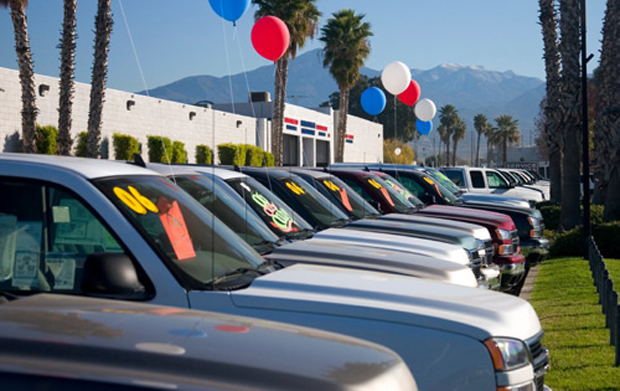
An auto dealer is a licensed business that sells new or used vehicles to customers. These dealerships often represent specific manufacturers or operate independently with multiple vehicle options.
Auto dealers typically provide:
- New vehicle sales
- Pre-owned vehicle sales
- Financing assistance
- Trade-in services
- Vehicle servicing and maintenance
- Spare parts availability
- Warranty support
Their goal is to simplify the vehicle purchase journey while ensuring long-term customer satisfaction.
Types of Auto Dealers
Auto dealerships vary based on the vehicles they sell and their affiliation with manufacturers.
1. New Car Dealers
New car dealers work directly with manufacturers and sell the latest models.
Key benefits include:
- Access to factory warranties
- Latest safety features
- Customization options
- Certified servicing support
These dealers follow brand standards and maintain manufacturer-approved service centers.
2. Used Car Dealers
Used car dealers specialize in pre-owned vehicles that are inspected and prepared for resale.
Advantages include:
- Lower purchase cost
- Flexible pricing
- Wider variety of vehicle models
- Faster delivery timelines
Many dealerships now offer certified pre-owned vehicles, which undergo detailed inspections before sale.
3. Independent Dealers
Independent dealers are not tied to one manufacturer. Instead, they provide vehicles from multiple brands.
They are ideal for buyers who:
- Want broader selection
- Compare brands in one location
- Prefer budget-friendly options
Services Offered by Auto Dealers
Auto dealers provide more than just vehicle sales. Their services extend across the entire ownership experience.
Vehicle Financing Support
Most dealerships collaborate with financial institutions to help customers secure loans easily.
Financing services often include:
- Loan approvals with flexible tenure
- Competitive interest rates
- Down payment planning
- EMI calculation assistance
This reduces the complexity of arranging vehicle loans independently.
Trade-In Options
Customers can exchange their existing vehicles for a discount on a new purchase.
Benefits include:
- Faster resale process
- Immediate price adjustment
- Reduced paperwork burden
Dealers typically evaluate vehicles based on condition, mileage, and market demand.
After-Sales Service and Maintenance
A reliable auto dealer ensures continued support after purchase.
Common maintenance services include:
- Routine servicing
- Oil replacement
- Brake inspection
- Tire alignment
- Battery replacement
Regular servicing helps extend vehicle lifespan and maintain resale value.
Warranty Assistance
Dealerships help customers understand and claim warranties efficiently.
Warranty coverage usually includes:
- Engine components
- Transmission systems
- Electrical systems
- Manufacturer defects
Extended warranty plans may also be available for additional protection.
Benefits of Buying from an Auto Dealer
Choosing a dealership instead of a private seller provides several advantages.
Authentic Documentation
Dealers ensure:
- Proper ownership transfer
- Verified vehicle history
- Transparent billing
This protects buyers from legal complications.
Reliable Vehicle Quality
Authorized dealers inspect vehicles before sale to maintain quality standards.
This includes checks for:
- Engine performance
- Structural condition
- Mileage authenticity
- Service history
Access to Latest Models
New car dealerships offer early availability of recently launched vehicles with updated features.
Customers can explore:
- Hybrid options
- Electric vehicles
- Advanced safety technologies
Professional Customer Support
Dealership staff guide customers through:
- Vehicle selection
- Test drives
- Financing options
- Insurance choices
This structured approach simplifies decision-making.
How to Choose the Right Auto Dealer
Selecting the right dealership improves both purchase experience and long-term ownership satisfaction.
Consider these factors before making a decision.
Reputation and Reviews
Check:
- Customer testimonials
- Online ratings
- Service feedback history
Reliable dealers maintain strong customer trust over time.
Vehicle Selection Range
A dealership with diverse inventory allows better comparison between:
- Features
- Prices
- Fuel efficiency
- Performance options
More choices lead to better purchase decisions.
Transparent Pricing Policy
Trustworthy dealers provide clear pricing without hidden charges.
Look for:
- Detailed quotations
- Insurance breakdowns
- Registration fees clarity
Transparency builds confidence during negotiation.
Availability of Service Center
Dealers offering in-house service centers ensure:
- Quick maintenance access
- Genuine spare parts availability
- Lower servicing delays
This improves long-term ownership convenience.
Tips for Getting the Best Deal at an Auto Dealer
Smart preparation can help buyers secure better value.
Follow these practical tips:
- Research vehicle prices before visiting
- Compare multiple dealerships
- Ask about seasonal discounts
- Negotiate add-on packages
- Review financing terms carefully
- Inspect vehicle condition thoroughly
These steps reduce unexpected costs and improve satisfaction.
Future Trends in Auto Dealership Services
Modern dealerships are adapting to evolving customer expectations and technology.
Emerging trends include:
- Online vehicle booking platforms
- Virtual showroom tours
- Home delivery services
- Subscription-based vehicle ownership
- Electric vehicle support infrastructure
These innovations are transforming how customers interact with dealerships.
FAQ
1. What documents are required to purchase a vehicle from an auto dealer?
Typically required documents include identity proof, address proof, income verification (for loans), and passport-size photographs. Requirements may vary slightly depending on financing options.
2. Can auto dealers help arrange vehicle insurance?
Yes. Most dealerships partner with insurance providers and offer multiple policy options during purchase.
3. Is it safe to buy a used car from an auto dealer?
Yes, especially when buying certified pre-owned vehicles that undergo inspection and documentation verification before resale.
4. Do dealerships allow test drives before purchase?
Almost all dealerships provide test drive opportunities so buyers can evaluate comfort, performance, and handling.
5. Can I negotiate vehicle prices at a dealership?
Yes. Buyers can often negotiate pricing, accessories, service packages, or financing terms depending on dealership policies.
6. How long does the vehicle delivery process take?
Delivery timelines depend on model availability, registration processing, and financing approval. In-stock vehicles are usually delivered faster.
7. Do auto dealers provide support after vehicle purchase?
Yes. Most dealerships offer servicing, warranty assistance, spare parts supply, and maintenance reminders to ensure continued support after purchase.








Comments