
 By
By 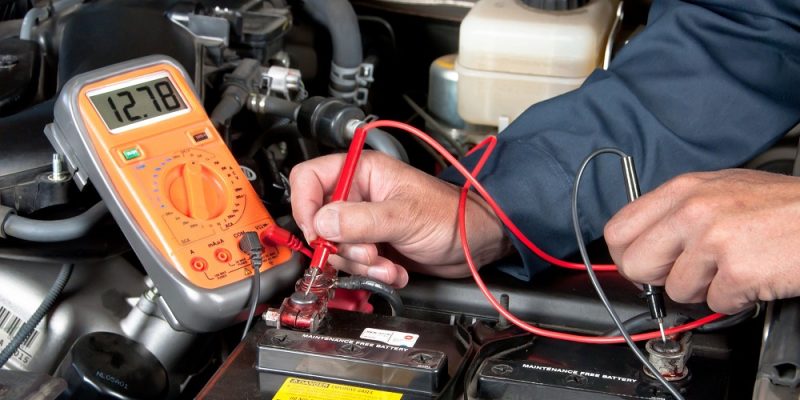
Regular vehicle maintenance is the foundation of safe driving, fuel efficiency, and long-term reliability. Whether you drive daily in urban traffic or occasionally on highways, consistent upkeep prevents costly repairs and extends the life of your car.
This guide explains practical maintenance habits every vehicle owner should follow to keep their automobile performing smoothly throughout the year.
Why Routine Car Maintenance Matters
Preventive maintenance helps detect issues early before they become expensive failures. It also ensures your vehicle operates safely under different driving conditions.
Key advantages include:
- Improved fuel efficiency
- Reduced repair expenses
- Longer engine lifespan
- Better driving safety
- Higher resale value
Even small maintenance steps can significantly improve vehicle performance over time.
Engine Oil Maintenance: The Heart of Vehicle Health
Engine oil lubricates moving components and reduces friction inside the engine. Without proper lubrication, parts wear quickly and overheating may occur.
How often should oil be checked?
Drivers should:
- Inspect oil level every 2–3 weeks
- Replace oil every 5,000–10,000 km depending on usage
- Follow manufacturer-recommended oil grade
Fresh engine oil ensures smoother engine operation and protects internal components.
Tire Care for Safety and Efficiency
Tires directly influence braking performance, comfort, and fuel consumption. Poorly maintained tires increase accident risks.
Important tire maintenance habits
Make sure to:
- Check tire pressure monthly
- Rotate tires every 8,000–10,000 km
- Inspect tread depth regularly
- Replace worn or cracked tires promptly
Correct tire pressure alone can improve fuel economy noticeably.
Brake System Inspection: A Critical Safety Priority
Your vehicle’s braking system must always remain in excellent condition. Delayed brake maintenance can compromise safety during emergencies.
Warning signs of brake problems
Watch for:
- Squeaking or grinding noises
- Reduced braking response
- Vibrations while braking
- Brake warning lights on dashboard
Immediate inspection prevents further damage to discs and pads.
Battery Maintenance for Reliable Starts
A weak battery can leave drivers stranded unexpectedly, especially during temperature changes or long parking periods.
Tips to maintain battery health
Follow these practices:
- Clean battery terminals regularly
- Avoid leaving headlights on when parked
- Test battery voltage during servicing
- Replace battery every 3–5 years if needed
Healthy batteries ensure dependable ignition performance.
Air Filter Replacement Improves Engine Efficiency
Air filters prevent dust and debris from entering the engine. A clogged filter restricts airflow and reduces performance.
Benefits of replacing air filters
Drivers may notice:
- Better fuel efficiency
- Improved acceleration
- Reduced engine strain
- Lower emissions output
Replacing filters is one of the simplest yet most effective maintenance steps.
Coolant Checks Prevent Engine Overheating
Coolant regulates engine temperature during operation. Low coolant levels can cause overheating and severe mechanical damage.
Coolant maintenance essentials
Ensure that you:
- Inspect coolant levels monthly
- Refill with recommended coolant type
- Check hoses for leaks or cracks
- Flush coolant system periodically
Maintaining proper coolant levels supports stable engine operation in both hot and cold climates.
Windshield and Wiper Maintenance for Clear Visibility
Clear visibility is essential for safe driving, especially during rain or dusty conditions.
Simple visibility maintenance tips
Drivers should:
- Replace worn wiper blades every 6–12 months
- Use proper windshield washer fluid
- Clean windshield regularly
- Inspect washer spray nozzles
Small steps can dramatically improve road visibility during poor weather.
Dashboard Warning Lights Should Never Be Ignored
Modern vehicles include sensors that alert drivers about potential problems early.
Common warning indicators relate to:
- Engine performance
- Battery charging issues
- Oil pressure levels
- Brake system faults
- Tire pressure monitoring
Addressing warning lights quickly prevents serious mechanical failures.
Seasonal Maintenance Improves Vehicle Reliability
Weather conditions affect vehicle performance differently across seasons.
Seasonal preparation checklist
Before extreme weather arrives:
- Inspect coolant and radiator
- Test battery condition
- Check tire condition and pressure
- Replace worn wiper blades
- Verify lighting systems
Seasonal readiness enhances safety and comfort throughout the year.
Conclusion
Consistent maintenance keeps your vehicle safe, efficient, and dependable over time. By following simple inspection routines and responding quickly to warning signs, drivers can avoid expensive repairs and enjoy smoother journeys. Preventive care is always more economical than corrective repairs.
Frequently Asked Questions (FAQs)
1. How often should a car be serviced for regular maintenance?
Most vehicles benefit from servicing every 6 months or after 8,000–10,000 km, depending on driving habits and manufacturer recommendations.
2. What happens if engine oil is not changed regularly?
Old engine oil loses lubrication quality, which increases friction and can cause serious engine damage.
3. Can incorrect tire pressure affect fuel consumption?
Yes. Underinflated tires increase rolling resistance, which leads to higher fuel usage.
4. How do I know when my car battery needs replacement?
Slow engine cranking, dim headlights, or dashboard battery warnings usually indicate battery weakness.
5. Is coolant the same as water in the radiator?
No. Coolant contains additives that prevent corrosion and maintain proper engine temperature more effectively than water alone.
6. Why do brake pads wear out faster in city driving?
Frequent stopping in traffic increases brake usage, which accelerates pad wear.
7. Does regular maintenance increase resale value?
Yes. A well-maintained vehicle with documented service history typically sells faster and at a higher price.









Comments